설정
설정
 빠른 배송
빠른 배송
 무료 배송
무료 배송
 Incoterms
 결제 유형
결제 유형


 Marketplace 제품


휴머노이드 – 미래는 어떤 모습일까요?
최근 저는 AI 기술, 특히 휴머노이드에 대해 많이 생각하고 있는데, 휴머노이드가 성능이 향상되고 널리 보급됨에 따라 미래가 어떤 모습일지도 궁금합니다. 일부 사람들은 여전히 회의적인 입장이고 저도 그들의 우려를 충분히 이해하지만, 미래에 대한 기대감을 품지 않을 수 없습니다. 혁신의 속도는 AI, 로보틱스, 컴퓨팅 성능의 발전에 힘입어 빠르게 가속화되고 있으며, 그 가능성은 단순한 작업을 훨씬 넘어 확장되고 있습니다.
전통적으로, 용어 휴머노이드는 반복적이거나 물리적으로 까다로운 작업을 수행하는 기계를 의미하는 데 사용되었습니다. 오늘날에도 휴머노이드는 여전히 주요 관심사이지만, 미래를 생각하면 훨씬 더 큰 역할을 수행할 것으로 보입니다. 휴머노이드는 공장 및 창고부터 가정 및 병원에 이르기까지 인간이 사는 환경에서 안전하게 작동하도록 설계된 적응형 파트너로 진화하고 있습니다.
장기 시설, 병원, 헬스케어
헬스케어는 가장 많은 혜택을 받을 것으로 예상되는 산업 중 하나입니다. 간호사, 간호 조무사, 간병인들의 업무 부담은 계속 증가하고 있으며, 이는 일상적으로 인력 부족 현상을 겪고 있는 치매 시설에서 특히 두드러집니다. 휴머노이드는 음식과 약품을 배송하고, 이동을 지원하며, 인지력이 감퇴하는 거주자를 위한 모니터링 또는 알림을 제공함으로써 이들을 지원할 수 있습니다. 일부에서는 2035년까지 휴머노이드가 고령 인구를 위한 컴패니언십과 안전 감독을 제공하면서 노인 돌봄의 결원을 크게 채우기 시작할 것으로 예측하고 있습니다.i
로봇이 정밀 의학과 만나면 어떤 일이 벌어질지 상상해 보세요. 수술의 경우 이미 침습적 시술에서 최소 침습적 복강경 검사로 발전해 왔습니다. 휴머노이드의 정밀도와 AI 기반 정확도로 인해 미래의 의료 개입은 더욱 정밀해질 것이며, 회복 시간을 단축하거나 암 표적 치료 절차 및 기술의 정확도를 개선할 수 있습니다.
 (이미지 출처: Moxi – Diligent Robotics)
군대, 경찰, 소방
휴머노이드는 고위험 환경에서도 중요한 역할을 수행할 수 있습니다. 사고 현장에서 교통을 관리하거나, 화재가 발생한 건물이나 전쟁 지역에 진입하거나, 위험한 수색 구조 작업을 지원하도록 배치되는 로봇을 그려 보세요. 인간의 안전이 위협 받는 곳에서 발휘되는 로봇의 능력은 응급 대응 및 재난 지역에 적합합니다. 이미 일부 전망에서는 인간의 위험을 줄이기 위해 위험 또는 마찰이 큰 작업 환경에서 휴머노이드가 활용되고 있는 것으로 보고 있습니다.
 이 소방 로봇은 최대 10시간 동안 화재를 진압할 수 있습니다(이미지 출처: Ambipar).
농업
농업 분야에서는 자율 주행할 수 있는 장비를 위한 기반이 이미 마련되어 있으며 급속히 발전하고 있습니다! 그렇다면 굳이 사람이 트랙터에 하루 종일 앉아 있을 필요가 있을까요? 자율성 및 휴머노이드 감독을 통해 농부들은 곧 자신의 휴대폰으로 전체 장비군을 관리할 수 있게 될 것입니다. 전 세계적으로 노동력 부족 현상이 증가함에 따라 휴머노이드는 물류 및 반복적인 농업 작업에서의 역할을 충당할 것으로 기대됩니다.
 로봇 농부의 시대로 접어드는 것일까요?(이미지 출처: Techslang)
엔터테인먼트, 스포츠, 교육
휴머노이드는 학교에서 상호작용 학습 컴패니언이 되어 다양한 요구 사항을 가진 어린이를 위한 맞춤식 튜터링과 지원을 제공할 것으로 기대됩니다. 또한 엔터테인먼트, 공연가, 스턴트맨 또는 심지어 스포츠 훈련 시의 협력 파트너 영역에도 진입할 수 있습니다. 도시에서는 휴머노이드가 군중 이동을 안내하거나 실시간 번역 지원을 제공할 수 있습니다. 자세한 내용은 교육용 로봇을 참조하세요.
 자동 번역의 진화는 기계를 향하고 있습니다(이미지 출처: Tarjama).
가정
프렙, 요리, 청소 및 모든 집안 일을 휴머노이드 도우미가 처리해 주는 세상을 상상해 보세요. 가정 친화형 로봇을 개발하는 회사들은 이미 이 길에 들어서 있습니다. 솔직히, 저는 이 부분이 가장 기대되며 로봇 진공 청소기도 정말 좋아합니다. 직장에서 오후 5시에 시댁 식구들이 온다는 전화를 받는다고 생각해 보세요. 그래도 전혀 문제가 없습니다. 휴대폰을 들어 로봇에게 저녁을 준비하고 집을 청소하고 진입로의 눈을 치우라고 요청하면 됩니다. 이 모두가 여러분이 직장에 있는 동안 이루어집니다.
 집안일에 도움이 필요하세요? 휴머노이드 로봇이 도와드리겠습니다(이미지 출처: Camille Cohen for The Washington Post via Getty).
탐사
깊은 바다든, 외딴 동굴이든 또는 심지어 다른 행성이든 상관없이 휴머노이드는 인간이 쉽게 갈 수 없는 탐사 임무를 이끌 수 있습니다. 고급 센서와 적응성을 갖춘 휴머노이드는 곧 극한의 환경에서 과학적 발견을 위한 필수 도구가 될 수 있습니다. 바다에는 아직 알려지지 않은 수많은 미개발 영역이 있기 때문에 저는 이점이 매우 흥미롭게 느껴집니다. 지구의 70%가 물로 구성되어 있고, 바다의 27%만이 지도화되어 있으며, 탐사되거나 영상화된 것은 5% 미만이라는 것을 알고 계셨나요?
 로봇은 해양 탐사의 미래가 될 것입니다(이미지 출처: ASME).
휴머노이드의 부상은 단지 초현대적 기계 수준이 아니라 인간의 가능성 확장에 관한 것입니다. 휴머노이드가 산업 전반에서 반복적이고 위험하며 노동 집약적인 작업을 맡게 됨에 따라, 사람들은 보다 깊이 있는 업무, 의미 있는 관계, 그리고 혁신에 집중할 수 있게 됩니다. 휴머노이드의 미래는 두려움의 대상이 아니라, 우리가 살아가고, 일하고 서로를 돌보는 방식을 새롭게 구상할 수 있는 기회이며, 그 미래는 우리가 생각하는 것보다 더 가까이 와 있습니다. 여러분이 무엇을 설계하든 DigiKey는 시제품 제작부터 생산에 이르는 모든 과정을 지원할 수 있습니다.ii
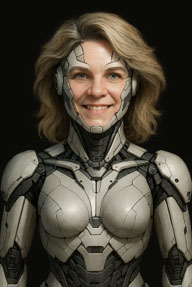 (Co-Pilot을 사용하여 생성된 이미지)
추가 정보:
- 산업용 로봇에 대한 자세한 내용
- 교육용 로봇에 대한 자세한 내용
- DigiKey에 상호 연결 부품 페이지가 있다는 것을 알고 계셨나요? 자세한 내용을 보려면 여기를 클릭하세요.
- 맞춤형 주문을 위한 견적서가 필요한 경우, custom.orders@digikey.com으로 문의하세요.
- 궁금한 사항이 있는 경우 Techforum에서 엔지니어링 팀에 문의하세요.
ii How much of the ocean has been explored? - NOAA Ocean Exploration
작성자 정보

DigiKey의 제품 관리자인 Kathy Hutton은 2003년부터 DigiKey에서 근무했으며 상호 연결, 수동, 전기 기계 제품 관련 업무를 담당하고 있습니다. Kathy Hutton은 엔지니어/고객(내외부)과 일상적으로 소통하며 광범위한 제품 지식으로 판매를 촉진하고 있습니다. Kathy는 전기/자동화 기술 학위를 가지고 있으며 제품 관리 분야에서 일하기 전에는 DigiKey 응용 엔지니어링 팀의 일원이었습니다. 여가 시간에는 물에서 즐기는 것을 좋아하며, 열렬한 낚시광이기도 합니다.

Have questions or comments? Continue the conversation on TechForum, Digi-Key's online community and technical resource.
Visit TechForum